

How Much Does a Pool Cost in Australia?
A fibreglass inground pool typically costs $25,000 to $75,000 installed in Australia, and a concrete pool $35,000 to $100,000. Above-ground pools start around $6,500. Then add fencing, landscaping and heating, plus $3,000 to $5,000 a year to run it. The pool is often only part of the bill.
Pool prices at a glance
- Concrete (inground): Typical installed price: $35,000 to $100,000. Good to know: Any shape or size, longest build time.
- Fibreglass (inground): Typical installed price: $25,000 to $75,000. Good to know: Faster install, set shapes and sizes.
- Plunge pool: Typical installed price: $20,000 to $25,000. Good to know: Small footprint, suits courtyards.
- Lap pool (15 m x 3 m): Typical installed price: $15,000 to $20,000. Good to know: Long and narrow, built for swimming.
- Infinity edge: Typical installed price: $25,000 to $35,000+. Good to know: Needs a sloping site, often costs far more.
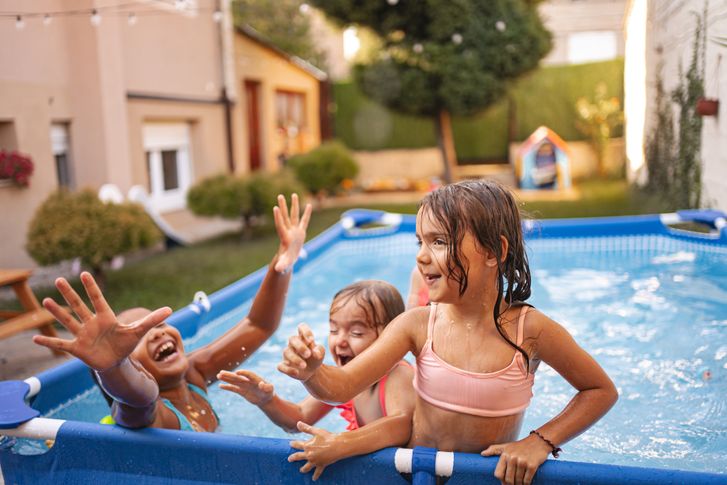
- Above ground: Typical installed price: $6,500 to $25,000. Good to know: Cheapest way in, can be moved.
- Vinyl liner (replacement liner only): Typical installed price: $3,500 to $5,000. Good to know: Liners wear out and need replacing.
Prices are typical ranges from Oneflare's pool cost guide, based on a 6 m x 12 m pool unless noted. Your site, soil and access can change the price a lot, so get at least three quotes.
The extras that add up
- Pool fencing: $200 to $600 per metre
- Decking: $3,000 to $12,000
- Coping: $1,800 to $3,000
- Tiles: $20 to $100 per m²
- Pool cover: $1,400 to $4,000
- Pump: $650 to $1,000
- Electric heat pump: $1,500 to $3,000
- Robotic or suction vacuum: $400 to $2,000
Council approval, excavation and landscaping also add to the cost, and vary a lot by site. A sloping block or rocky soil can add thousands to excavation alone.
Fencing isn't optional. Every state requires a compliant pool safety barrier, and many councils inspect it. Budget for it from day one.
How much does a pool cost to run?
Allow $3,000 to $5,000 a year for cleaning, chemicals, electricity and water, or about $80 to $150 a month for chemicals and basic servicing alone. Heating and a pump running for hours each day are the biggest drivers.
Ways to cut running costs:
- Use a pool cover to reduce evaporation and heat loss.
- Choose a variable-speed pump, which uses less power than a single-speed pump.
- Go solar for heating if your roof suits it.
- Test the water weekly so small chemical fixes don't become big ones.
Concrete or fibreglass?
- Upfront cost: Concrete: Higher. Fibreglass: Lower.
- Design: Concrete: Any shape or size. Fibreglass: Pre-made shells.
- Build time: Concrete: Often 2 to 3 months. Fibreglass: Often a few weeks.
- Upkeep: Concrete: Needs resurfacing every 10 to 15 years. Fibreglass: Smooth surface, fewer chemicals.
How to budget for a pool
- Get three itemised quotes, each covering excavation, fencing, landscaping and approvals.
- Add 10% to 15% for surprises, like rock in the ground or extra retaining walls.
- Add a year of running costs to your budget, so the first summer isn't a shock.
- Build in stages if you need to, for example the pool and fence first, landscaping later.
Paying for a pool
Most people pay for a new inground pool with savings or by refinancing their home loan, because the total is usually well above $20,000. Talk to your lender or a broker about what suits you.
For smaller pool costs, like a new pump, heater, fence repairs or an above-ground pool, a personal loan can help if the repayments fit your budget. Jingle's home improvement loans range from $500 to $10,000 with fixed repayments and no early repayment fees. Approval is not guaranteed.
Frequently asked questions
How much does an inground pool cost in Australia?
Usually $25,000 to $75,000 for fibreglass and $35,000 to $100,000 for concrete, before fencing, landscaping and heating.
What's the cheapest type of pool?
An above-ground pool, from about $6,500 installed. Plunge pools are the cheapest inground option for small spaces.
How much does it cost to maintain a pool each year?
Around $3,000 to $5,000 a year for cleaning, chemicals, electricity and water.
Does a pool need council approval?
Yes, in most cases. Approval rules and fees vary by council, and every pool needs a compliant safety barrier.
Does a pool add value to a house?
It depends on the area and the buyer. In some suburbs a pool helps a sale, while in others buyers see it as upkeep, so don't count on getting your money back.
Sources
Disclaimer: Prices are a guide only. Always get written quotes. Credit provided by Jingle Finance Pty Ltd ACN 132 485 066 trading as Jingle Loans, Australian Credit Licence 388143, to approved applicants only. Terms, conditions, fees, charges and eligibility criteria apply. This information is general in nature and doesn't take your objectives, financial situation or needs into account.